
Standing water is a symptom, not a diagnosis

My yard stays wet or floods after rain.

A wet yard is frustrating because the visible puddle may be far from the actual cause. Water can arrive from a roof, neighboring slope, roadside ditch, spring, compacted construction area or blocked swale. Adding soil to the low spot without understanding the route can simply move the problem toward a foundation or another property.

Does this sound familiar?

What homeowners usually notice first

  • Puddles remain for days after ordinary rain
  • Mower ruts deepen in the same area every season
  • Water crosses a walk, driveway or play area
  • A swale or ditch is filled with brush and sediment
  • The problem became worse after grading or nearby construction
Why it happens

The condition builds over time.

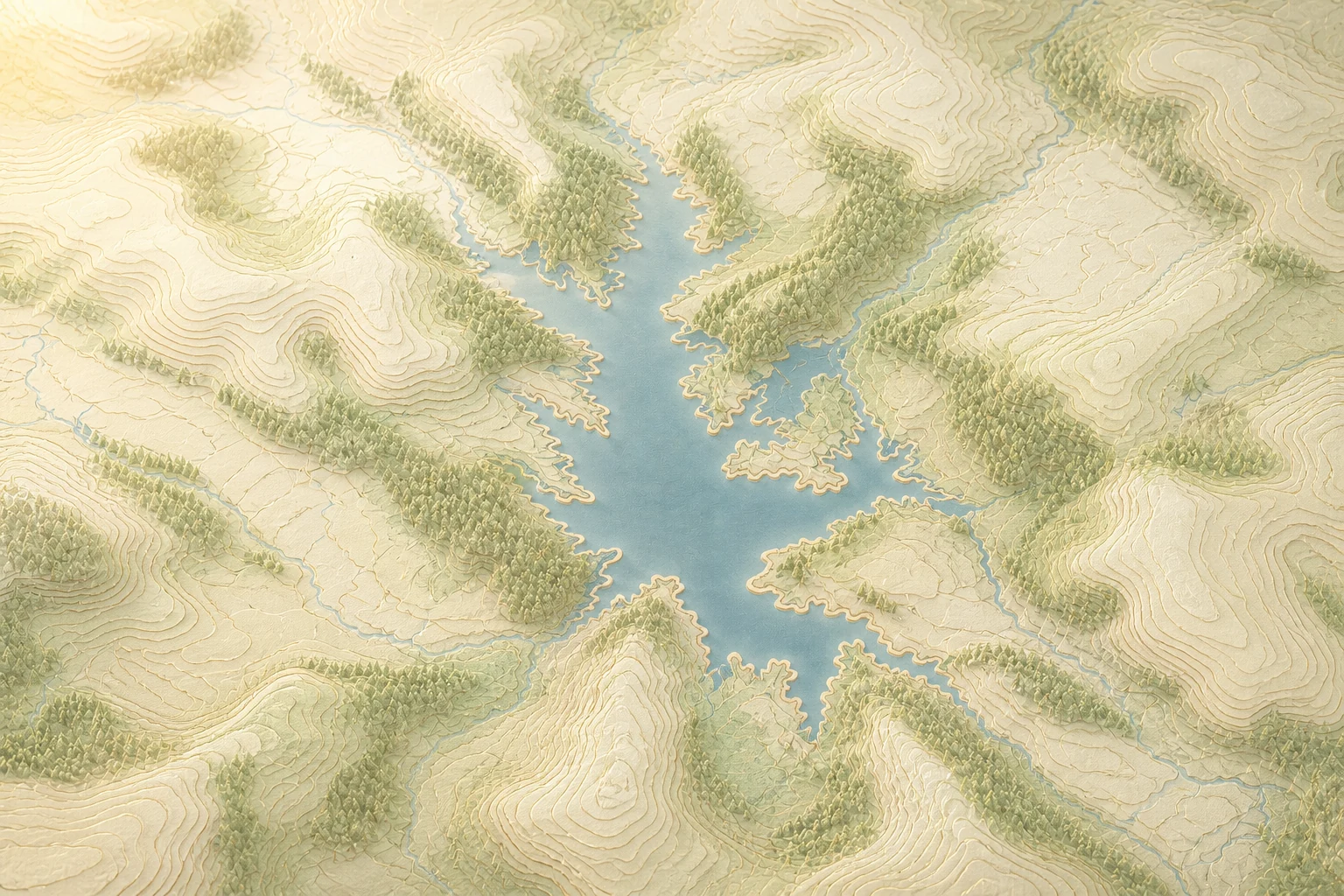
Geauga County's heavy soils, snowmelt and rolling terrain can create slow-draining areas even on properties that do not look flat. Portage County lots add wetland influence and broad low ground in some communities. Drainage systems also fail when outlets clog, driveway pipes crush or vegetation hides erosion.

How Contour Land Ops solves it

A selective, site-specific reset.

Contour starts with observation: where water enters, where it should leave and what lies between. Depending on the site, work may include reopening a swale, cleaning or replacing a culvert, correcting a localized grade, building a durable access surface or clearing vegetation so the existing drainage can be inspected and maintained. We do not promise a one-size-fits-all trench and we flag work that involves wetlands, utilities or a public right-of-way.

Local relevance

Built around Northeast Ohio ground.

Rain, lake-effect snow and freeze-thaw cycles make drainage a year-round land-use issue around Chardon, Munson, Chester, Streetsboro and Mantua. Township and county road authorities may control driveway pipes and work inside the right-of-way. A local solution begins by knowing which part of the water path belongs to the property owner and which part requires permission.

From problem to service

The work that may fit this property

These service pages explain the methods in more detail. The on-site visit determines the right combination.

Questions homeowners ask

Clear answers before the machine arrives.

Can you tell why my yard stays wet from a photo?

Photos help, but drainage usually requires an on-site look at elevations, outlets and surrounding runoff.

Will adding topsoil fix the low spot?

Not necessarily. Filling a symptom without preserving a safe outlet can redirect water somewhere worse.

Do culverts require permits?

Work in a public road right-of-way often requires approval from the responsible road authority. Confirm first, dig second.

Can brush alone cause drainage problems?

Vegetation can hide or obstruct ditches and outlets, but saturated soils, grade and pipe condition may also be involved.

Show us what is happening on your property.

Send the township, a few photos and what you want the area to become. We will tell you whether Contour is the right fit.