The Basics

What makes a plant "invasive" — and why it matters here.

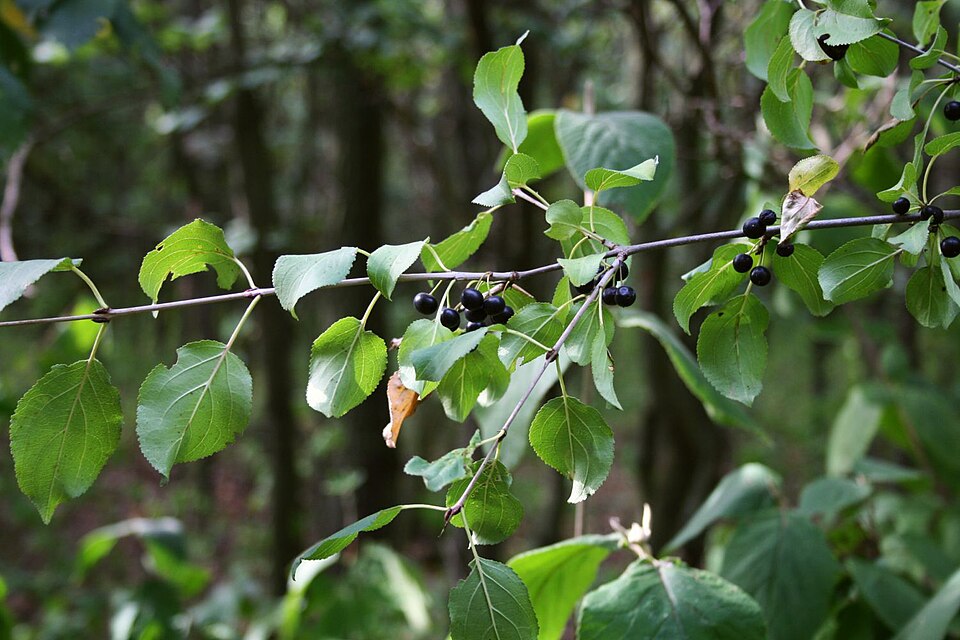
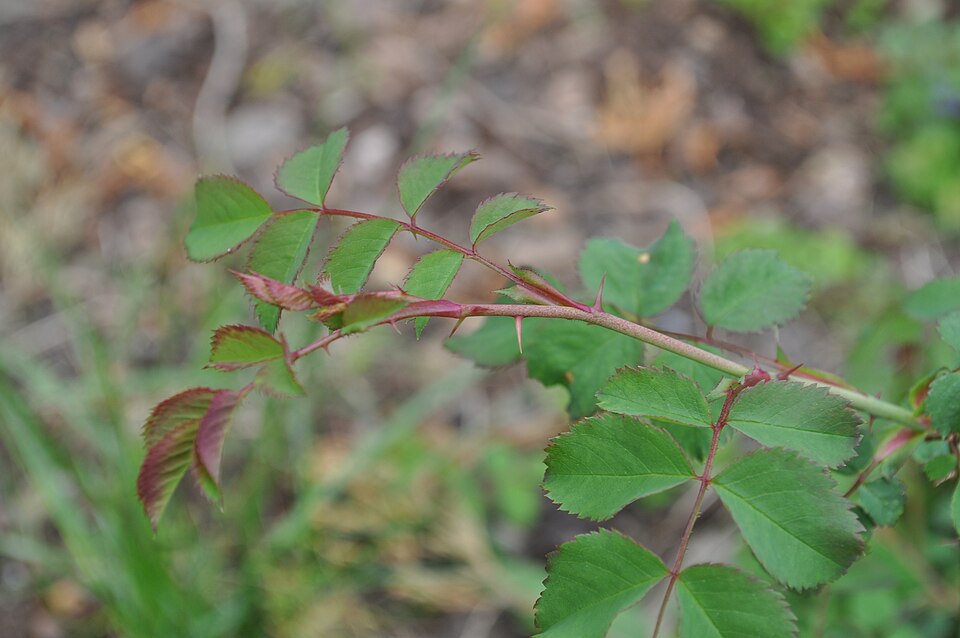
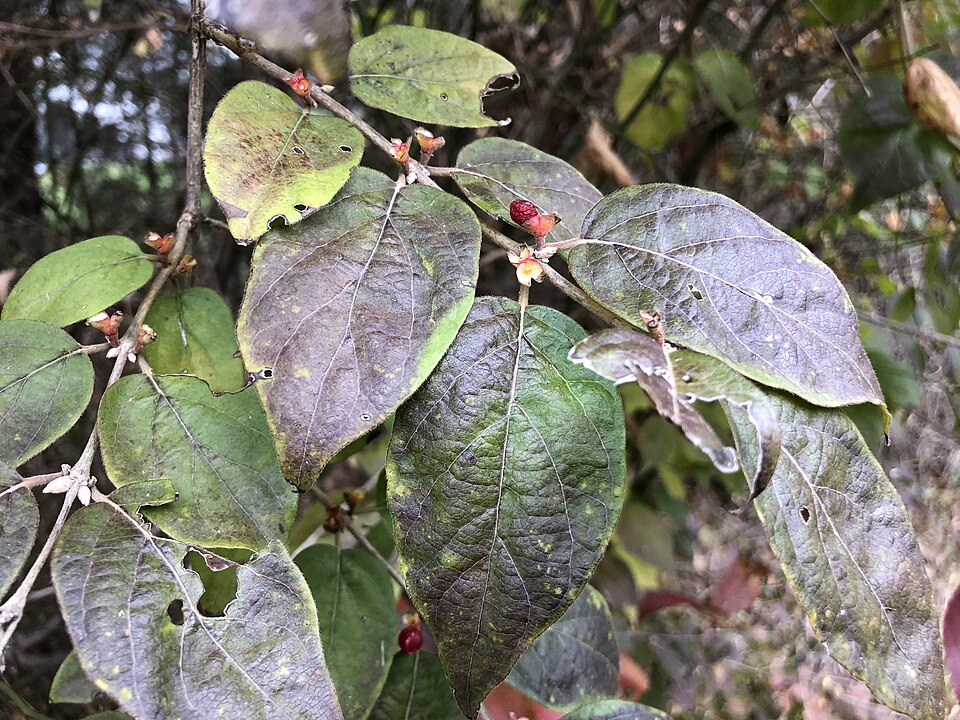
An invasive species is a non-native plant that spreads aggressively because the things that would normally keep it in check — insects, disease, browsing animals, competition — didn't come with it. Ohio has more than 700 non-native plants growing wild, but fewer than 100 are aggressive enough to actually take over natural areas. Those are the ones doing the real damage, and Ohio's own hazard mitigation plan names its top ten: bush honeysuckle, autumn olive, buckthorn, common reed, garlic mustard, Japanese honeysuckle, Japanese knotweed, multiflora rose, purple loosestrife, and reed canary grass.

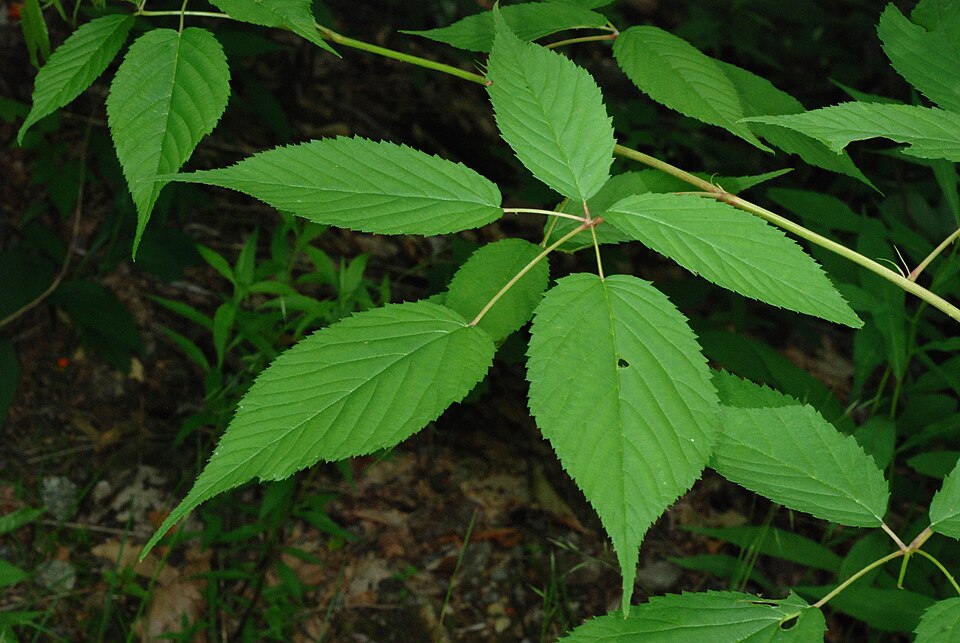
Four of those—bush honeysuckle, autumn olive, buckthorn and multiflora rose—are woody invasives we regularly encounter on Geauga and Portage properties. Dense blackberry and mixed bramble patches are a fifth common homeowner concern. They are not automatically invasive, but thorny canes can still turn a trail, fence line or sunny clearing into a wall.

Why They Win

Most of these were planted on purpose.

That's not an accident of history — it's the actual root of the problem.

They were sold as a good idea

Bush honeysuckle, autumn olive, and multiflora rose were all recommended for decades — for erosion control, wildlife habitat, or as a living fence. By the time their invasive nature was understood, they'd already naturalized across the state.

Birds do the planting for them

Each of these produces heavy berry crops that birds eat and spread widely. A single untreated patch can seed a whole property, and neighboring ones, over a few years.

They leaf out first and drop last

These species green up earlier in spring and hold their leaves later into fall than native trees — extra weeks of photosynthesis every year that native seedlings don't get, which is a big part of why they choke out regeneration in a forest understory.

The Fix

Why forestry mulching actually works on these species.

A 2026 field study published in Forest Science tested mulching-head treatments directly against Amur honeysuckle — the most common bush honeysuckle in Ohio — and found that higher-intensity mulching passes meaningfully limited the shrub's ability to resprout, while also helping native understory plants recover. The mechanism is straightforward:

Root Crown Destruction
The mulching head doesn't just cut the stem — it shatters the root collar at ground level, which is specifically what stops these shrubs from resprouting the way a simple cut or mow would allow.
No Soil Disturbance
Unlike bulldozing or grading, mulching leaves topsoil and the surrounding root systems largely intact — it doesn't till up a fresh seed bank the way heavier equipment can.
Seed Spread Contained
Material is ground and left in place rather than cut and hauled, which is one of the easiest ways invasive seed gets moved from an infested property to a clean one.
A Mulch Layer That Fights Back
The finished mulch layer shades the soil surface, which makes it measurably harder for invasive seedlings to germinate and re-establish compared to bare, disturbed ground.
Plant field guide

Point to the one that looks like your property.

You do not need to know the botanical name before calling. Compare the leaves, fruit, thorns and growth habit below, then send a few close photos and one wide photo showing the whole patch. We confirm what is present before recommending how to clear it.

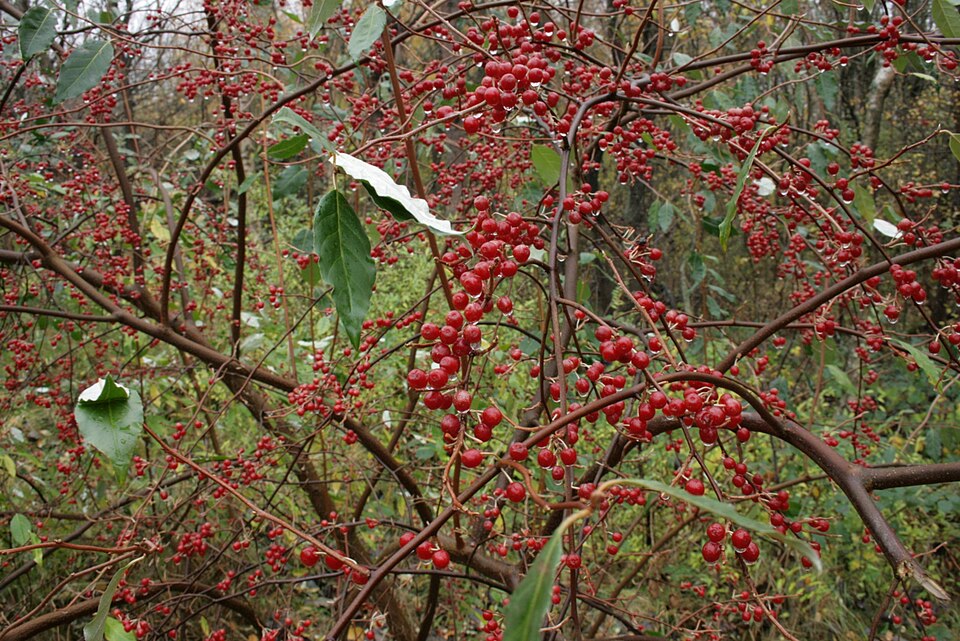
Amur bush honeysuckle with opposite oval leaves and paired red fruit
Photo: Famartin · CC BY-SA 4.0 ↗
SPECIES / 01INVASIVE SHRUB

Bush Honeysuckle

Lonicera maackii and related nonnative species

Look for
Opposite oval leaves, hollow mature stems, pale spring flowers and paired red berries. It often stays green after nearby native shrubs have dropped their leaves.
Common location
Wooded understory, trail edges and the shaded band behind a lawn.
Identification and clearing details →
Allegheny blackberry bramble with toothed compound leaves and prickled canes
Photo: Doug Goldman, USDA-NRCS · Public domain ↗
SPECIES / 05AGGRESSIVE NATIVE GROWTH

Blackberry & Mixed Brambles

Rubus species, including Allegheny blackberry

Look for
Usually three to five toothed leaflets on a prickled cane, white flowers and aggregate berries that ripen from red to black. New canes rise from long-lived roots.
Common location
Sunny clearings, old fields, logged woods, roadsides and fence lines.
Identification and clearing details →

Whether it is an invasive shrub or an aggressive bramble patch, we can help you make the land usable again.

Request a quote or call me today.